 11
11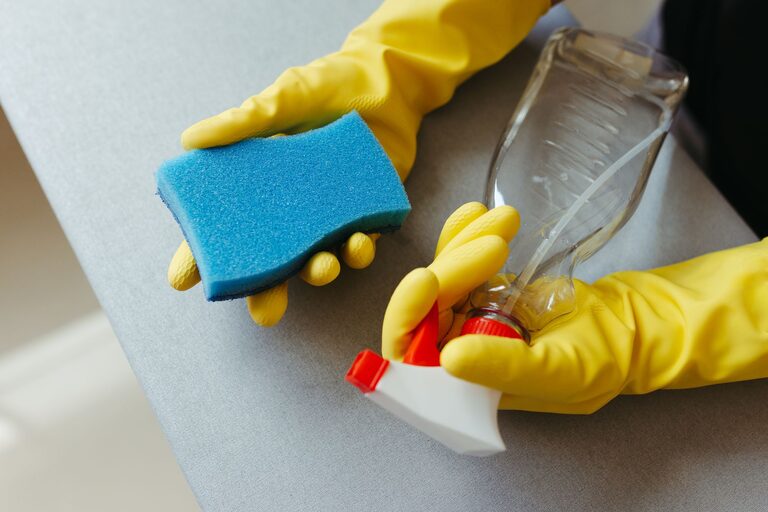
Cleaning up after dinner can often feel like a daunting task, especially after a long day. But with a few simple strategies, you can transform the cleanup process from a chore into a quick and manageable routine. This guide offers practical ideas to help make dinner cleanup easier, faster, and even a little more enjoyable.
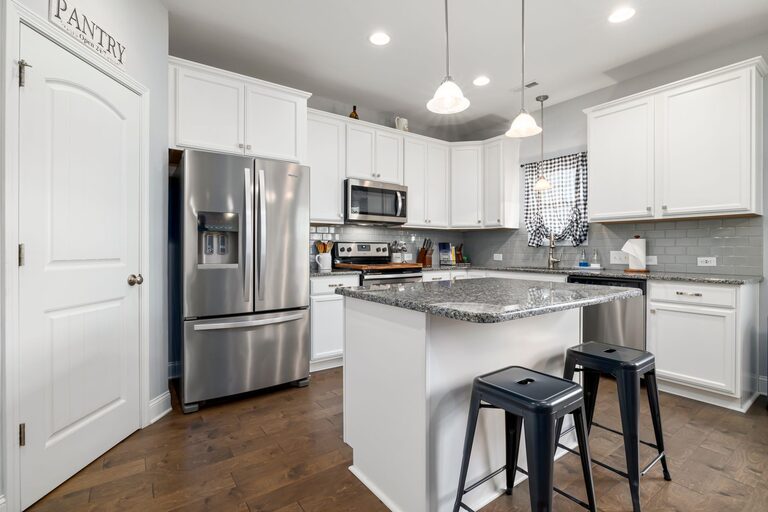
Before you start cooking, take a moment to organize your kitchen. Clear the countertops of unnecessary items to provide ample space for food prep and utensils. Having a clean workspace reduces clutter and makes washing up less overwhelming.
Limiting the number of cookware items used during meal preparation simplifies cleanup. For example, consider one-pot or one-pan meals, which can significantly reduce the amount of washing afterward. Slow cooker recipes or sheet pan dinners are excellent options as well.
Using parchment paper, aluminum foil, or silicone baking mats on baking sheets and pans can prevent food from sticking and minimize scrubbing later. These liners make it easy to lift off food residues, leaving your pans almost clean.
One of the best ways to avoid a mountain of dishes after dinner is to clean up during meal prep. Rinse cutting boards, wash used utensils, and wipe down surfaces while food is cooking or simmering. This habit prevents clutter from piling up and saves time once the meal is finished.
Fill pots, pans, and mixing bowls with warm soapy water as soon as you’re done with them. This soaking helps loosen baked-on food, making washing much easier later on.
Place a large bowl on the counter to collect scraps and peelings as you cook. This reduces trips to the trash can and helps keep your workspace tidy. It also simplifies the disposal of food waste after your meal.
Encourage everyone to clear their own plates and utensils. This small step speeds up the cleanup and involves the whole family in the process. Alternatively, have designated containers or trays for dirty dishes that can be taken to the kitchen all at once.
Group dishes by type—plates, glasses, silverware, pots, and pans. This makes loading the dishwasher or washing by hand faster and more organized.
When washing dishes by hand, hot water and an effective dish soap help remove grease and food residues quickly. Wearing gloves can protect your hands during extended washing.
Don’t leave clean dishes sitting wet in the sink or drying rack for long periods. Drying and storing them promptly keeps the kitchen neat and prevents the buildup of clutter.
Use containers, bins, and organizers to keep your kitchen tools, utensils, and cleaning supplies in order. Label shelves or drawers if needed to find items quickly and put them back easily.
Store dish soap, sponges, scrub brushes, and towels near the sink for quick access. Consider having a small caddy or basket to hold these items so they are easily movable and organized.
Set a consistent time for kitchen cleanup each day, whether immediately after dinner or at another convenient time. Having a routine builds a habit, making cleanup feel like a natural part of your cooking process.
Listening to your favorite music or an engaging podcast can make cleaning more enjoyable and help the time pass quickly.
If you live with others, divide tasks so that cleanup doesn’t fall on one person. Make it a team effort to lighten the load and complete the process faster.
Plan a small reward after finishing cleanup, like a cup of tea or a few minutes to relax. Having something to look forward to can motivate you to get the job done promptly.
—
By incorporating these ideas into your daily routine, you can significantly reduce the time and effort involved in dinner cleanup. With a little planning, organization, and teamwork, keeping your kitchen tidy becomes easier and less stressful. Try out these tips to enjoy more of your evening and less time spent on dishes.