 11
11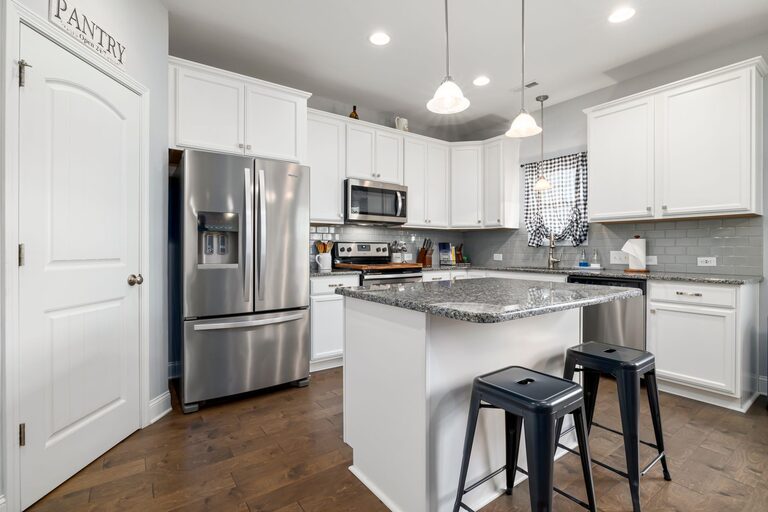
Keeping your fridge and pantry tidy not only makes your kitchen look better but also helps you save time and reduce food waste. When everything is in its place, you can quickly find what you need, plan meals more efficiently, and avoid buying duplicates. Whether you’re starting from scratch or just want to improve your current setup, these practical tips will guide you through the process.
A cluttered fridge and pantry can lead to spoiled food, wasted money, and stress when cooking. By organizing these key storage areas, you’ll benefit from:
– Easier meal planning and preparation
– Longer-lasting groceries
– Reduced food waste
– A cleaner, more inviting kitchen space
Now, let’s explore how to achieve and maintain this organization step-by-step.
Before organizing, start fresh:
– Remove everything from your fridge and pantry.
– Check expiration dates and throw out anything expired or spoiled.
– Wipe down all shelves, drawers, and containers using a mild cleaner or a mix of water and vinegar. This will eliminate odors and bacteria.
Taking the time to clean thoroughly sets a great foundation for organization.
Sort your food items into categories such as:
– Fresh produce
– Dairy and eggs
– Meat and seafood
– Condiments and sauces
– Grains, pasta, and baking supplies
– Snacks and canned goods
Grouping items will help you see what you have, what you use most, and how to arrange them efficiently.
Clear containers and bins are game-changers:
– They keep similar items together.
– Make it easier to see what’s inside.
– Reduce clutter caused by mismatched packaging.
Consider airtight containers for dry goods like flour, sugar, pasta, and snacks. In the fridge, clear containers can hold cut fruits, vegetables, or leftovers neatly.
Keep your fridge organized by using zones with similar items grouped together:
– Top shelves: Ready-to-eat foods such as leftovers, drinks, and ready-made meals.
– Middle shelves: Dairy products like milk, cheese, and yogurt.
– Bottom shelves: Raw meat and seafood (stored in a leak-proof container) to prevent cross-contamination.
– Drawers: Usually for fruits and vegetables — keep separate to avoid ethylene gas from some fruits causing veggies to spoil faster.
– Door shelves: Condiments, sauces, and small bottles (avoid placing milk here because of temperature fluctuations).
Labeling shelves or using bins labeled by category can help every family member easily find and put away items correctly.
A well-organized pantry makes cooking less stressful:
– Place frequently used items at eye level.
– Group similar ingredients, e.g., all baking supplies together.
– Use baskets or bins to keep small or loose items contained.
– Reserve the top shelf for bulk or rarely used items.
– Label shelves or containers if helpful.
Keep your pantry stocked but avoid overcrowding to maintain visibility and airflow, which helps keep food fresh longer.
Organization is an ongoing effort. Try these habits:
– Do a quick check once a week to toss expired items and wipe spills.
– Adjust storage based on seasonal changes and your cooking habits.
– Keep a list of pantry staples to avoid overbuying.
– Practice “first in, first out” by placing newer purchases behind existing items.
Regular upkeep prevents clutter from building up again.
– Use vertical space: Add shelf risers or hanging racks in both fridge and pantry to maximize space.
– Invest in drawer organizers: Great for small packets, herbs, or snack bags.
– Rotate stock: When unpacking groceries, move older items to the front.
– Keep a shopping list nearby: Helps avoid impulse buys that cause clutter.
—
By following these simple strategies, you can transform your fridge and pantry into neat, user-friendly spaces. Not only will your kitchen look tidier, but you’ll also enjoy the benefits of less waste and smoother meal preparation. Start today and enjoy a more organized kitchen tomorrow!